
































































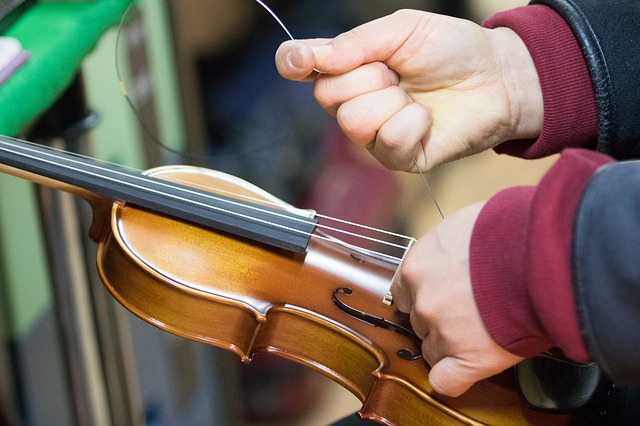






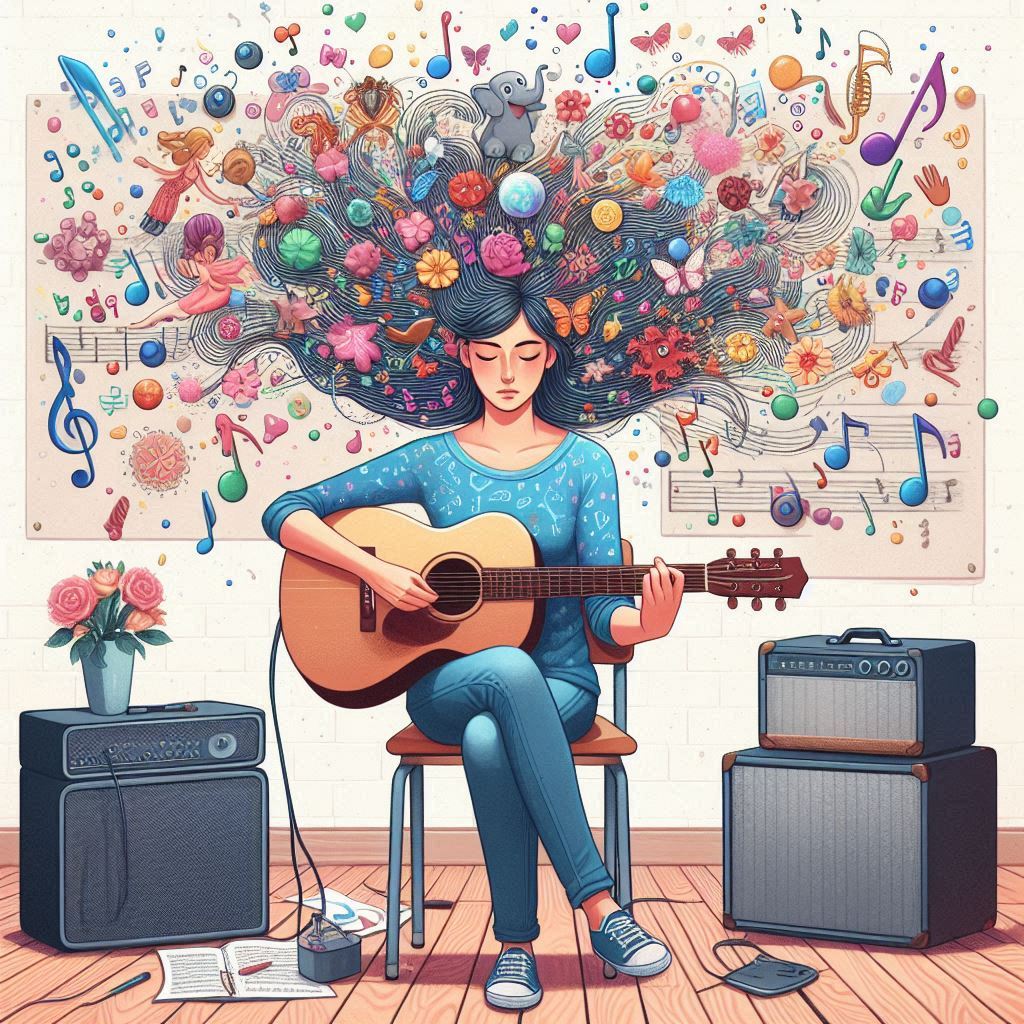
And that is what I want to do here today: share the images that these different keys evoke in me.
I’m getting on in years now – nearing sixty (well, actually seventeen-and-forty), though I see the world through the eyes of a seventeen-year-old and kid myself that I still look forty (ahem) – and I’ve been playing guitar since I was ten. I never studied music formally, nor am I a professional.
But when you sit at home after a day’s work, rocking gently back and forth while playing, losing yourself in the music – whether you’re trying to interpret a song or playing pieces that speak to personal experiences, like the death of a family member or a breakup – well… WHOOPS! …two, three, or four hours have flown by before you know it.
As a music beginner, you start out playing in C major (or A minor), likely because so many children’s songs are in that key. Once you can sight-read and have played through countless songs, the other keys start to feel more familiar. Over the years, as you develop a sense of how each key affects you – how you personally perceive them – images begin to form in your mind when you lose yourself in a melody.
And that is what I want to do here today: share the images that these different keys evoke in me.
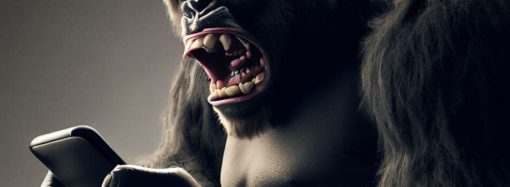
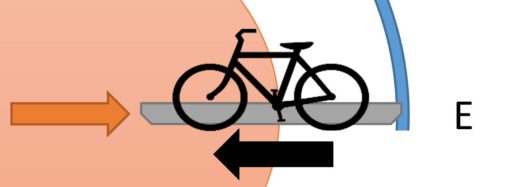
E: is majestic, regal, masculine, full of wisdom and dignity, yet possessing that sheer power only a king commands. Omnipotence: death is omnipotent. Ding-a-ling – the doorbell rings; a quick glance through the peephole reveals the Grim Reaper standing there. There’s no need to hesitate about opening the door. E is power!
F: represents work – whether done alone or with others. The miller in his mill, the stable hand in the castle courtyard; or when I walk through the door of a neighbor who is also a friend, and he is holding a small shelf against the wall with one hand – a pencil between his lips, a spirit level tucked under his shoulder – while trying to pull the power drill’s cord closer with his leg. That’s when I step in to help; it’s easier as a team. Yet F is also a distant goal one works toward, finding satisfaction once the task is complete.
F-sharp: represents the rallying cry, the revolution. Vive la France! – come one, come all, let’s tackle this together! It doesn’t have to be a bloody revolution; it can simply be the desire to do something with others: Look here, everyone gather ’round. Let’s do something together.
G: is masculine – Conan the Destroyer, Sir Lancelot with his sword Excalibur. There is no getting past G. G stands unyielding and never falls; distinctively masculine and – while perhaps not all-powerful like E – iron-willed and proud. Motorcyclists, adventurers, explorers, strong-willed.
G-sharp: is laid-back, lounging in a hammock on the beach, lucky enough to have a beauty serve you a drink. G-sharp doesn’t move much; it simply lies there and enjoys the moment. Reggae or chill-out songs. Sunsets and no overthinking – just pure enjoyment.
A: is the Queen. Wisdom, dignity, and femininity. Elegance paired with power. Though it possesses less raw pride and power than E – for here, the nature of the mother and the forgiver dominates, characterized by stature, greatness, and love. A shines; it is not domineering but compassionate, devoid of arrogance.
A-sharp: feminine – the tigress, the puma-woman; agile, swift, elegant, yet steadfast. The female counterpart to G – the knight. A-sharp is the savanna queen from the Disney film who protects her clan – even with her life, if need be. Strength, courage, and agility. Lioness. Fighting-Queen. Unyielding.
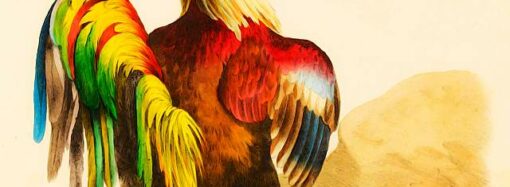
B: represents the mage, the wizard, sorcery, the inexplicable. Neither male nor female – a being stands before you, face obscured by a cloak; this unknown entity steps into your life and raises a magic wand: does it intend to protect you or transform you? Good or evil… that remains to be seen.
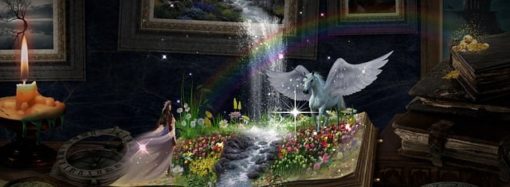
C: represents childhood, innocence worth protecting, the sweet little one. A child with a balloon stands in a meadow as a rabbit hops toward them. C minor is somewhat melancholic, yet not sad and never threatening. A small elf sits in the tree in that meadow, gazing at the scene with a dreamy air.
C-sharp: represents youth – unencumbered, free of responsibility, playful, and full of discovery. Think of driving a car while young, the vehicle packed with friends: heading to a party, the beach, or on vacation – it is a different scenario than when a family man drives, with his wife beside him and the children in the back, on the way to a family reunion. C-sharp is young, inquisitive, and virtually unstoppable.
D: feminine, elegant. While she may lack the brilliance and regal stature of A, D is graceful, lovely, and youthful. A pretty young woman, aware of her own dignity and beauty, who knows just how to turn a man’s head. The queen’s younger sister or cousin.
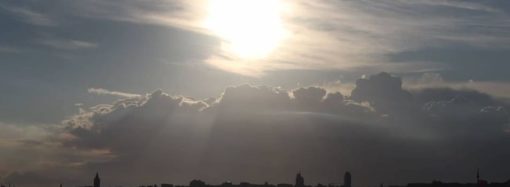
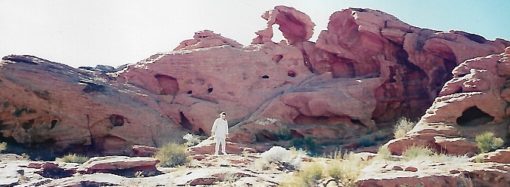
D-sharp: for me, represents vastness. Devoid of human presence. I experienced this feeling at the Grand Canyon: vastness… and nothing else. One feels small and insignificant, …amidst this splendor of nature, of the cosmos, of the grand scale of things, of the whole. In the middle of Twenty-nine-palms – these funny trees and cactus, rocks, dust, and vast emptiness – there is some kind of observation hight. It was a gloomy day, heavy with clouds but no rain; the sun had ventured toward the horizon and was bravely shining through the breaks in the clouds. We stood there – my girlfriend and I – gazing out into the vast expanse. That’s the kind of scene where I’d have cowboys riding off into the distance at the end of a movie. In D-sharp!
And – NO! I don’t have absolute pitch, nor can I identify the key just by listening to a song. It only happens when I’m playing music myself, getting lost in the sound; for certain songs, once I’d finished writing them, I’d settle on the key that felt like the best fit. That’s often not easy on the guitar – the piano has a huge advantage there, thanks to the keyboard’s wide range.
Then something interesting happened: I came across a small table on Wikipedia listing the impressions of the old masters – Brahms, Beethoven, Mozart – detailing how these guys perceived musical keys and what they wrote or said about them. When I discovered that, I did some digging and found even more statements like that.
Character of keys – deutsch: https://de.wikipedia.org/wiki/Tonartencharakter#Bekenntnisse
And what can I say? Even though not every comment by those old musicians aligns with my perceptions – or yours, for that matter, since everyone has their own perspective – if you look at the big picture, about half of their observations match my view (or perhaps yours) regarding the different keys. I think that’s because we were all children once, and we all likely started out playing in C major (or A minor), right? What do you think?
What I definitely lack, when considering the great masters, is the ability to distinguish between major and minor within the same key. It’s not that I don’t know the difference; rather, some masters distinguish between D major (e.g., forcing a victory) and D minor (total ruin). To me, however, everything sounds just as described earlier: major is simply “lively and spirited,” while minor is just “more subdued, melancholic, or sad.”
Maybe I’m addicted, hang in there, brother – you’ve still got one left! – have fun:


Leave a Comment
Your email address will not be published. Required fields are marked with *